‘Bang!’ – Odyssey of the Siberian Tiger

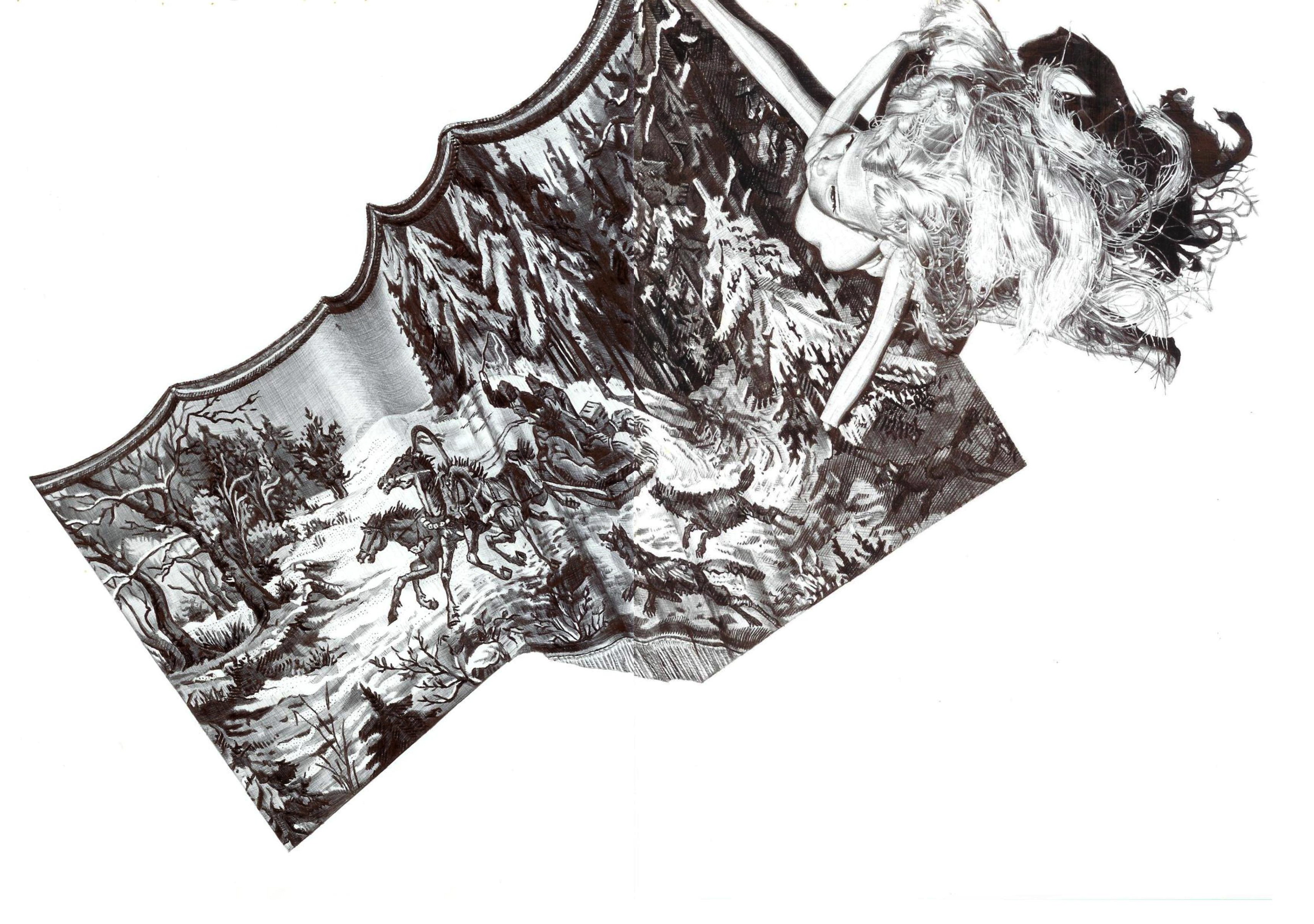
"Bang!", Siberian Tiger, 'In Homage to the Last Great Carnivores of Eurasia', 2013 black Biro drawing by Jane Lee McCracken

“Bang!”, Siberian Tiger, ‘In Homage to the Last Great Carnivores of Eurasia’, 2013 black Biro drawing by Jane Lee McCracken

‘Bang!’ is the second drawing in my diptych, ‘Siberian Tiger’, which is part of my luxury fine English china plate and print series. Inspired by the elusive Amur tiger, stealing through the forests of Ussuriland in Scottish film maker Gordon Buchanan’s beautifully shot film ‘Amba, the Russian Tiger’, 2008, a tiger skull placed beside a walking Siberian tiger is layered with a projected image of a group of revolutionary Red Army soldiers posing with a tiger they have shot.  The target of the sniper rifle in the foliage of ‘Shh, it’s a Tiger! is revealed as the walking tiger in ‘Bang!’ through the symbolic bullet hole in the skull.

'Shh, it's a Tiger!' and 'Bang!', Siberian tiger luxury fine china plate diptych by Jane Lee McCracken

‘Shh, it’s a Tiger!’ and ‘Bang!’, Siberian tiger luxury fine china plate diptych by Jane Lee McCracken

The simplicity of this drawing which juxtaposes the complexity of ‘Shh, it’s a Tiger!’ carries an epic message, unless the illegal hunting of tigers by poachers is halted, Siberian Tigers will no longer roam the forests of Ussuriland.  Around 400 Amur Tigers remain in the wild.  Wildlife crime remains one of the greatest threats to their survival. For further information about the Amur Tiger please click on this link to WWF’s website

'In Homage to the Last Great Carnivores of Eurasia', Luxury Fine English China Plate Series by Jane Lee McCracken

‘In Homage to the Last Great Carnivores of Eurasia’, Luxury Fine English China Plate Series by Jane Lee McCracken

For plate enquiries please contact: jane@janeleemccracken.co.uk For plate sales please visit THE NEW ENGLISH

"Bang!", Siberian Tiger, 'In Homage to the Last Great Carnivores of Eurasia', 2013 black Biro drawing by Jane Lee McCracken

“Bang!”, Siberian Tiger, Archival Pigment Print

For luxury Archival Pigment prints made to order by the UK’s best master printmaker Jack Lowe Studio please visit my shop Website_header_panel_94ef2d8a-1f22-4c1f-b100-2d63e2e8fe93_1024x1024

‘Kaboom! Where Did All The Animals Go?’ – WAR AND WILDLIFE

Kaboom where did all the animals go - Copy

The catastrophe of war affects not only humans but wildlife also. During war, landscapes are destroyed.  Within every square foot of a landscape there is some form of life.  Every shell that exploded in the fields of Flanders in WWI, every mortar detonated in the forests of the Ardennes during the Battle of the Bulge, had a direct impact on the eco-system within each area.  The insects, the small mammal populations, the birds, the large mammal populations – the blind fear inflicted upon them is yet another tragedy of war.

Where do the animals go?  Many of them are killed as their habitats are destroyed.  Others evacuate the area.  It is a subject that is rarely discussed as the impingement of war on humans takes precedence.

'Lying Stag' by Nymphenburg, Germany, Artist's own collection

‘Lying Stag’ by Nymphenburg, Germany, Artist’s own collection

I wanted to make a memorial to all the animals that have been affected and will continue to be affected during each outbreak of war.  Creating a halcyon forest scene of peace and tranquility, my drawing features an exquisite bisque ‘Lying Stag’ by Nymphenburg, Germany, designed by August Göhring in 1939.  Deer are the epitome of elegance and exude an aura of serenity – but their fine, slender features betray the fragility not only of their own bodies that can so easily be broken but echo the delicacy of the ecosystems they inhabit.  The fragility of porcelain symbolises the fracturable nature of ecosystems, so easily shattered.

The Emerald City, 'The Wizard of Oz', Metro-Goldwyn-Mayer

The Emerald City, ‘The Wizard of Oz’, Metro-Goldwyn-Mayer, 1939

I decided to draw the porcelain stag as if it were made of ethereal Uranium glass, not only representing the green of forests but also the colour of the Emerald City in the film ‘The Wizard of Oz’, 1939, thus creating a halo of wonderment as we encounter the stag lying amongst the beauty of a pristine forest.   The Emerald City seems a place of beauty and promise like the forest in the drawing, but it is an illusion masking the true reality of life behind the green walls, as war creeps ever closer to the hooves of the restful stag.  A carved section of my Grandmother’s dressing table, circa 1940 reflects the harmonious relationship man is capable of having with forests, managing them properly so that sustainable wood is used for the making of furniture and carving of objects.

Artist's still photograph of a deer from 'A Prophet', Jacques Audiard, 2009

Artist’s still photograph of a deer from ‘A Prophet’, Jacques Audiard, 2009

But a drawing of a still from the film ‘A Prophet’, 2009, Jacques Audiard of a herd of deer running down a road, caught in the headlights of a car before the film continues to show one of the deer brutally run over, represents the onslaught of war.

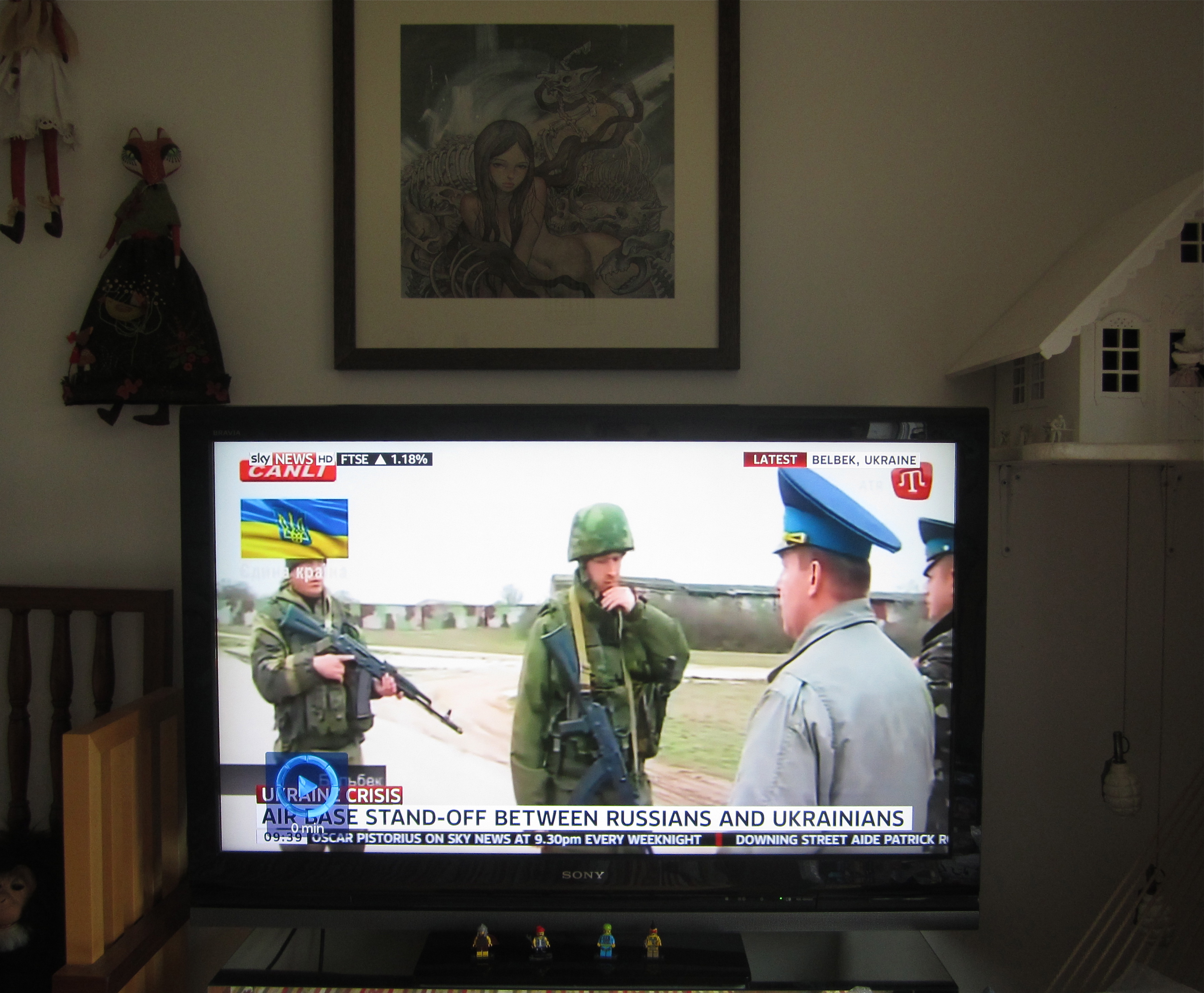
Still photograph of this morning's Sky News bulletin as the crisis deepens in Ukraine.  Ukrainain soldiers attempt to negotiate command of their headquarters with Russian soldiers who fired into the air upon their unarmed, flag carrying approach.

Still photograph of this morning’s Sky News bulletin as the crisis deepens in Ukraine. Ukrainain soldiers attempt to negotiate command of their headquarters with Russian soldiers who fired into the air upon their unarmed, flag carrying approach.

With crisis looming in Ukraine, war is never far from any of us.  It is in our nature to feud with one another.  One twitchy pull of the trigger on a gun can release the bullet that sparks the conflagration of war.  The consequences affect every living organism that encounters the fallout from that one bullet.

As I wrote the words above I happened to look up at the television and saw the images caught in my photograph of the Sky News bulletin about the Ukraine crisis and watched as a Russian soldier fired into the air at unarmed Ukrainian soldiers as they approached to try and negotiate with the Russians.  It seemed a strange and poignant co-incidence.

Kaboom where did all the animals go - Copy

Luxury Archival Pigment Prints of ‘Save Us!’ made by the excellent Jack Lowe studio are available to order from my website

“Save Us!” – The Wolves Propaganda Poster

'"Save Us!', Propaganda poster for the Wolf's House, photo montage by Jane Lee McCracken

‘”Save Us!”, Propaganda Poster’ for the Wolf’s House, photo montage by Jane Lee McCracken

Originally conceived as the design for a miniature poster to adorn the interior walls of ‘The Wolf’s House’,  ‘”Save Us!” Propaganda Poster’ is a photo montage using prints of my original black Biro drawings of Lily, as a puppy and as a mature dog.  Her lupine features as well as her trusting expression seemed to lend perfectly to the theme of the poster.

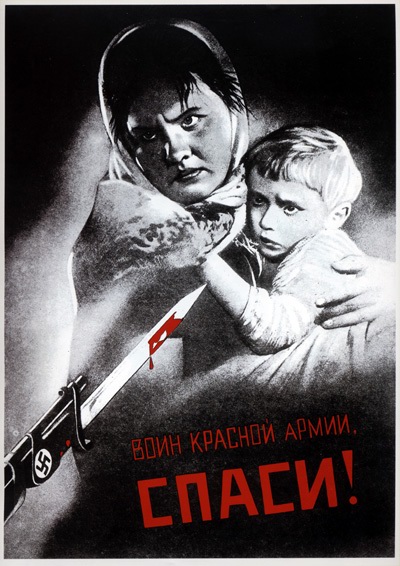
The foundation for this piece is the famous Soviet World War II propaganda poster by Viktor Koretsky, “Red Army Soldiers, Save Us!”, 1942.  Although the Russian cyrillic translation for “Red Army Soldiers” has been removed from the design, I have left a trace of where it was originally placed, indicating the war I envisaged the inhabitants of The Wolf’s House to be planning or already waging against humans.  Retaining the Russian translation for “Save Us!” from Koretsky’s original poster in my design, incites a message that is woven throughout the symbolism of The Wolf’s House, promoting conservation of threatened species.

"Red Army Soldiers, Save Us!", original 1942 Soviet WWII propaganda poster by

“Red Army Soldiers, Save Us!”, original 1942 Soviet WWII propaganda poster by

The Kafka-esque images I imagined of wolves holding secret meetings in ‘The Wolf’s House’, planning their epic battle against humans were perhaps triggered not only by my drawing of 2010,  “TV Screen III – ‘East Meets West, Forests’ Memories'” but also by my husband’s description of  the music video for ‘There, There’, 2003, whilst we were listening to Radiohead’s ‘Hail to the Thief’ during a car journey to Scotland.  His description was powerful as I didn’t get round to watching the video until last year, a year after the creation of The Wolf’s House.

'"Save Us!', Propaganda poster for the Wolf's House, photo montage by Jane Lee McCracken

‘”Save Us!’, Propaganda Poster’, Archival Pigment Print

Luxury Archival Pigment Prints of ‘Save Us!’ made by the excellent Jack Lowe studio are available to order from my website

The Wolf’s House

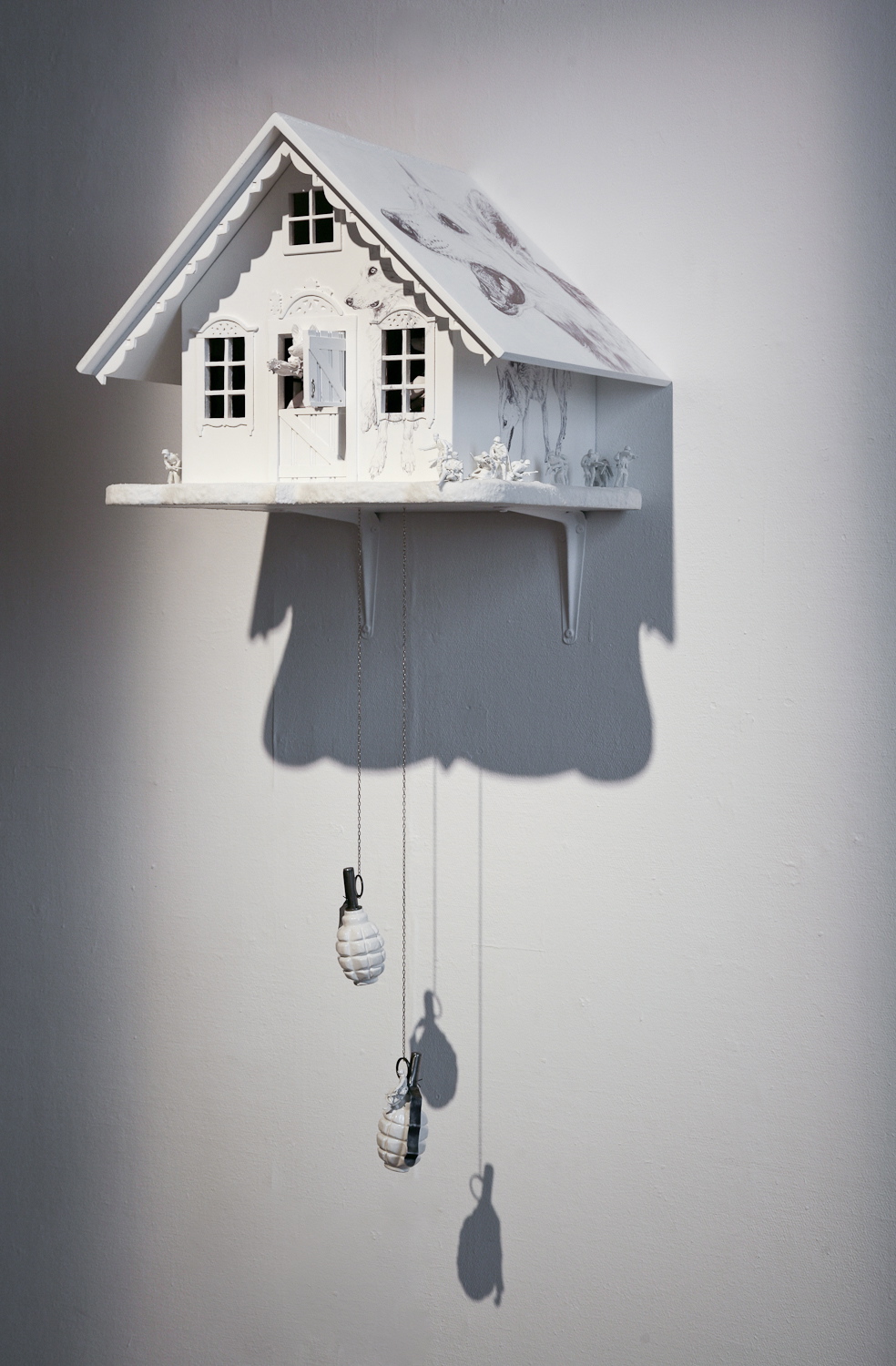
"The Wolf's House", 2012, black Biro drawings and mixed media by Jane Lee McCracken

“The Wolf’s House”, 2012, black Biro drawings and mixed media by Jane Lee McCracken

Outside a white-out blizzard howls, while war is waged through it.  Mrs Wolf throws open the door of ‘The Wolf’s House’ and looks out at the soldiers fighting around her cottage.

‘The Wolf’s House’ is symbolically one of the simplest pieces I have created for it simply asks “who is more civilised, man or animals?”.  A take on the iconic cuckoo clock, it was inspired by a cuckoo clock my father brought back to Scotland for me after a trip to Switzerland, when I was a child.

Black Biro drawing of Lily and 'Mrs Wolf'.  'Mrs Wolf' is made from a cast taken of wolf's head from my wedding cake-topper and the body of a vintage Polish Capeila doll as is 'Mr Wolf' who sits by the window.

Black Biro drawing of Lily and ‘Mrs Wolf’. ‘

The piece explores the juxtaposition of the roles of man and animals suggesting the idea of the ‘innocent’ instinctive nature of animals as opposed to the cerebrally determined brutal nature of man.  ‘The Wolf’s House’ is a beacon of light representing civilised society whilst chaos reigns outside; but it is occupied by wolves not humans.

"The Wolf's House", 2013, 'The Woodcutter's Cottage' exhibition, The Mercer Gallery, Harrogate

“The Wolf’s House”, 2013, ‘The Woodcutter’s Cottage’ exhibition, The Mercer Gallery, Harrogate.

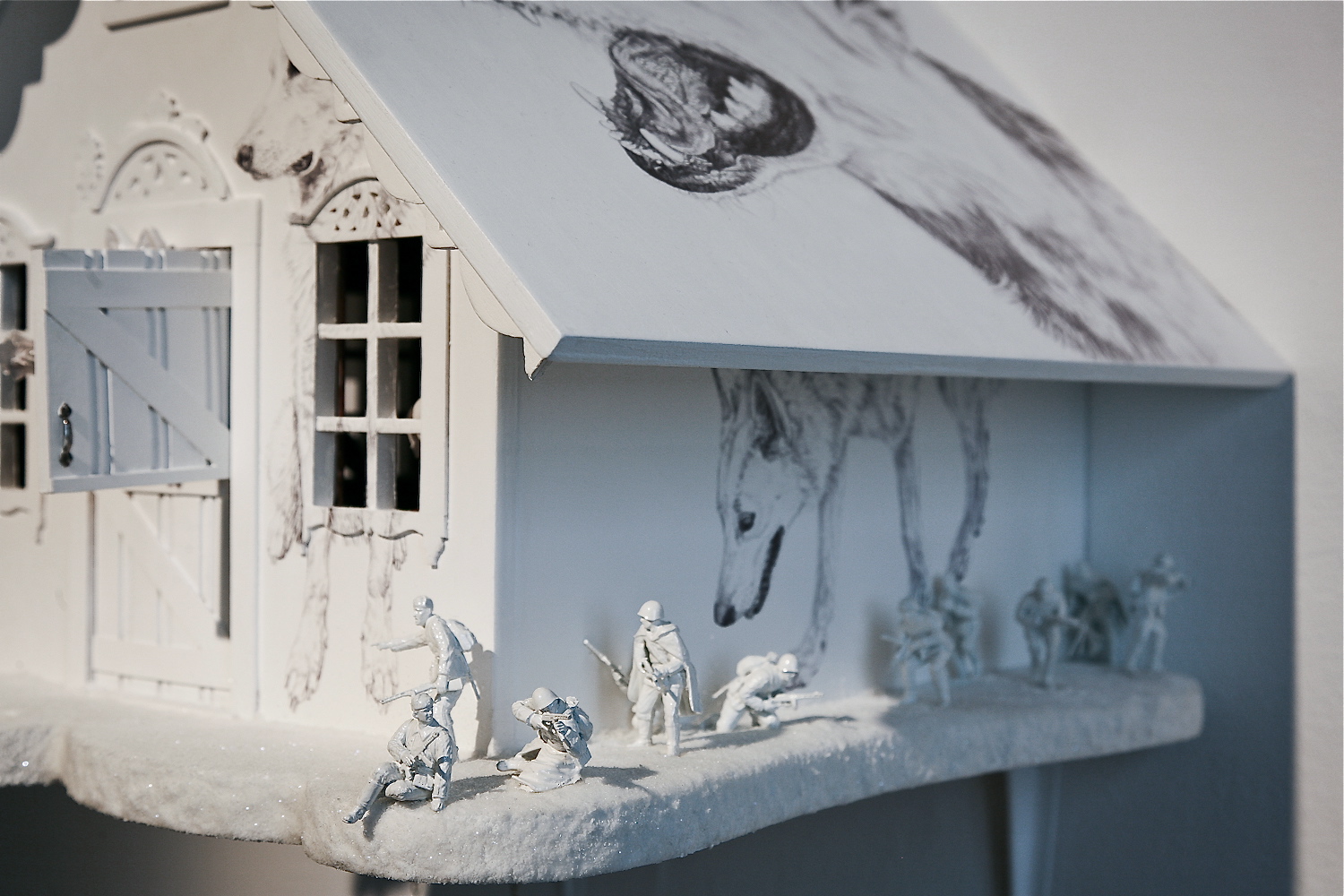
Soldiers fight in the snow around the Wolf’s House whilst Mr and Mrs Wolf witness war, as animals of the forest play peacefully inside the house.  However there is an ever present threat from humans.

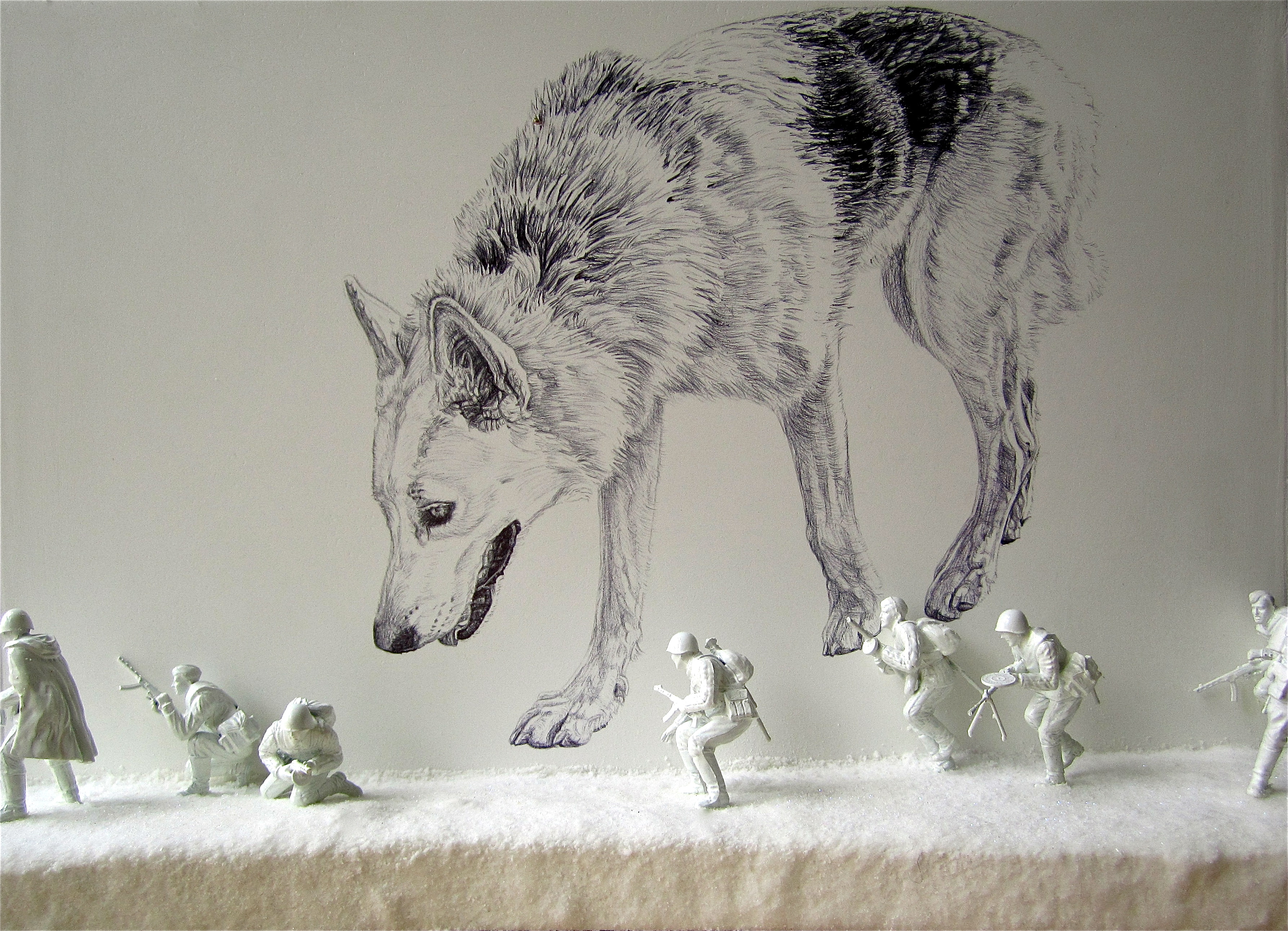
'The Wolf's House' roof detail, black Biro drawing of Lily on painted MDF

‘The Wolf’s House’ roof detail, black Biro drawing of Lily on painted MDF

Further inspiration for the piece came from a photograph of Russian soldiers fighting through a village towards Germany after the end of the battle of Stalingrad when the tide of war has changed.  I imagined a cottage somewhere in Eastern Europe encircled by soldiers fighting a brutal war.

Official USSR photograph of Red Army in combat WWII, Artist's own collection.

Official USSR photograph of Red Army in combat WWII, Artist’s own collection.

‘The Wolf’s House is a mixed media piece which includes original black Biro drawings of Lily drawn on painted, sanded MDF.  Model railway snow and glitter were used to create the winter snow scene on the roof and base.  Printed transfers on fabric formed the wallpaper of the interior walls, complete with propaganda posters specifically designed for the piece.  I sourced replica Russian F1 hand grenades which were then painted with white enamel as were the model soldiers, German Assault Infantry in winter gear and Russian Army Assault Infantry.  An authentic cuckoo clock chain bought from a clock shop holds the hand grenade weights of the clock.  ‘Mr and Mrs Wolf’ were made from casts taken of the wolves heads from my wedding cake-topper and the bodies of vintage Polish Capelia dolls bought on Ebay.

'The Wolf's House' interior

‘The Wolf’s House’ interior

Mr Wolf sits by the window surrounded by propaganda posters and watches bears, a wolf, a fox and a tiger cub playing together.

'The Wolf's House' interior shot through window.

‘The Wolf’s House’ interior shot through side window.

'The Wolf's House' interior shot through front window.

‘The Wolf’s House’ interior shot through front window.

Their play indicates that each species has it’s own social structure and behaviour which is rarely disregarded but whilst humans have a highly developed sense of morality, the moral codes by which we live are often breached.

'"Save Us!', Propaganda poster for the Wolf's House, photo montage by Jane Lee McCracken

‘”Save Us!’, 2012, Propaganda poster for the Wolf’s House, photo montage by Jane Lee McCracken

Ultimately the futures of many species’ are held in our hands and this is symbolised by ‘The Wolf’s House’ and the ever present battle around the house and its occupants.

Russian model soldiers fighting in the snow around 'The Wolf's House'

Russian model soldiers fighting in the snow around ‘The Wolf’s House’

Luxury Archival Pigment Prints of ‘Save Us!’ made by the excellent Jack Lowe studio are available to order from my website

'"Save Us!', Propaganda poster for the Wolf's House, photo montage by Jane Lee McCracken

‘”Save Us!’, Propaganda poster for the Wolf’s House, Archival Pigment Print

What the Children Saw – ‘LORE’ and Generation War Child

'The Sideboard II', 2009, red Biro drawing by Jane Lee McCrackenThis triptych portrays memories of a small child at play in a sideboard, within the safety of ‘home’, before the onset of war. It was inspired by the girl in the red coat from the film ‘Schindler’s List’, 1993, Steven Spielberg, as she wanders through the Kraków Ghetto while it is being ‘cleared’’. The Artist uses her niece to model for this piece to highlight the indiscriminate nature of war and how it can affect ‘anyone’ and to provoke understanding of loss by seeing victims as individuals and not statistics.

‘The Sideboard II’, 2009, red Biro drawing by Jane Lee McCracken part of a “triptych (which) portrays memories of a small child at play using a sideboard, within the safety of ‘home’, before the onset of war… inspired by ‘the girl in the red coat’ from the film ‘Schindler’s List’, 1993, Steven Spielberg, as she wanders through the Kraków Ghetto while it is being ‘cleared’. This piece highlights the indiscriminate nature of war and how it can affect ‘anyone’ and provokes understanding of loss by seeing victims as individuals and not statistics.”

No child should see what generations of children growing up during war have seen or are seeing.  Their eyes are forced to soak up the bloody spillage engendered by the very generations who are supposed to guide them safely to adulthood.  ‘Collective guilt’ particularly after WWII often dictates a rule of silence leaving many children and young adults unable to express the horror they have witnessed.  Dealing inwardly with a recurring nightmare spawned from observing the grotesquery of war, can cause psychological catastrophe for many and a lifetime of suffering.

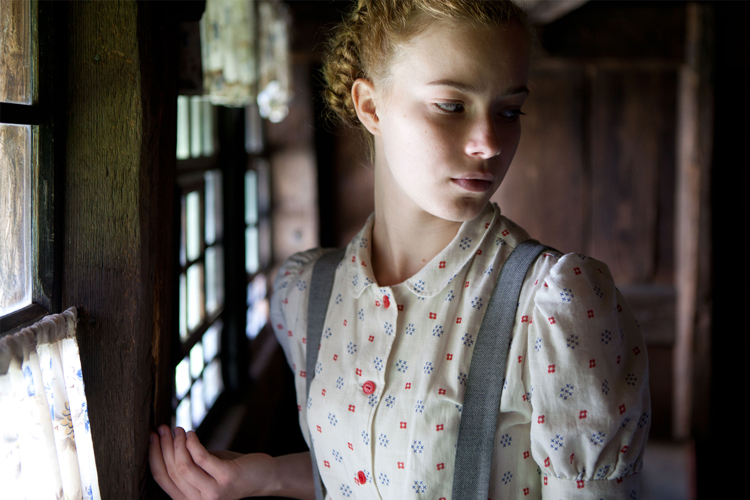
Saskia 'Lore', 2012

‘Lore’, Cate Shortland, 2012

‘Lore’, Cate Shortland’s 2012 film presents us not only with all of the above but ultimately shares a reality that has echoed down the years, ‘Only the dead have seen the end of war’, Plato

Lore and her siblings, 'Lore', Cate Shortland, 2012

‘Lore’, Cate Shortland, 2012

Through a fluttering curtained window into the cinematically exquisite trampled fairy tale of a fleeing Nazi family, teenage Lore turns her beautiful face towards the camera and commences the unravelling of her contorted mind of lies.  The chorally haunted forests of Schwarzwald provide the setting for an epic journey’s beginning, as Lore’s high ranking Nazi parents disappear into the forests deep in the American enclave, leaving their five children to find a way through the aftermath of WWII to Grandmother’s in Hamburg.  The extraorindary Saskia Rosendahl’s ‘Lore’ is forced to confront her Nazi indoctrination, anti-Semitism and hero-worshipping of her father whom she discovers to be a war criminal responsible for genocide; she witnesses the scaling denial of a nation, all whilst leading her young brothers, including baby Peter and her younger sister Liesel to safety.

'Lore',

Saskia Rosendahl’s ‘Lore’, Cate Shortland, 2012

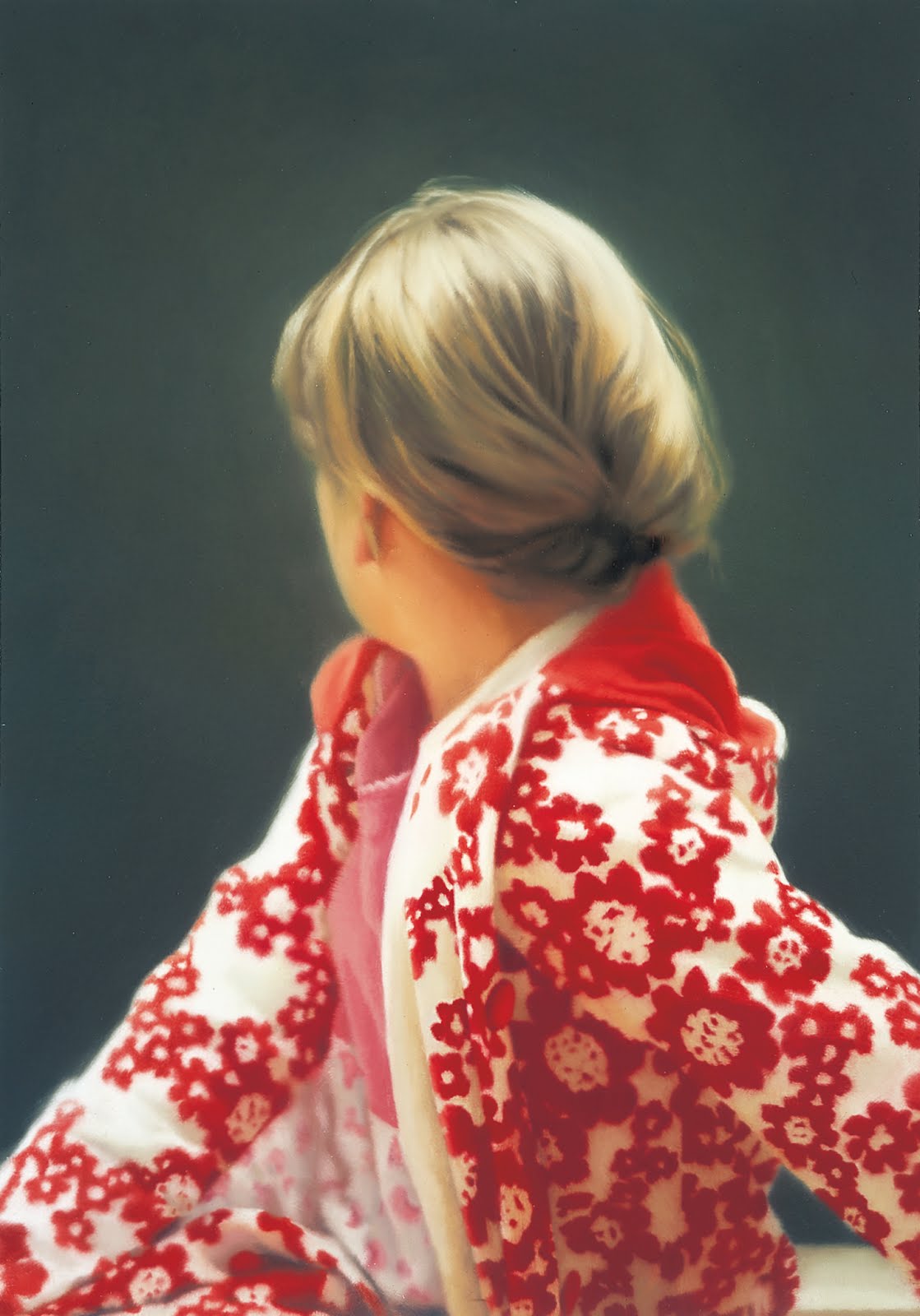
Adam Arkapaw’s stunning cinematography often gentle and sun-blanched, has wisps of Gerhard Richter’s paintings flickering through it.  A motion parallel to Richter’s ‘Betty’, 1988 (Richter was himself a child during WWII) and homage to his blurred photo-paintings echo throughout the film especially in the sequence when Lore dances with her sister Liesel.

'Betty', 1988, Gerhard Richter

‘Betty’, Gerhard Richter, 1988

Many refugees experienced chance, often fleeting encounters with strangers who changed the course of their lives in the unwinding chaos of WWII Europe.  A Jewish concentration camp survivor, Kai Malina’s ‘Thomas’, covets Lore and eventually becomes the siblings guardian angel whilst Lore’s beliefs and body crumble in the rubble and decay of ‘Gomorrah’. The greatest achievement of this impressive film, for there are many, is to communicate a picture of what discovering the unfolding horror show of war looks like, as if we too are there sharing the unearthing with the children.  This film gifts us within a closer proximity than others of its ilk, of trying to comprehend the aftershock of WWII.

Lore and her siblings, 'Lore', 2012

Lore and her siblings, ‘Lore’, 2012

It is often impossible to put into words something you have never seen or experienced yourself, but “A picture shows me at a glance what it takes dozens of pages of a book to expound”, Ivan Turgenev. Perhaps images more than words help us ‘the unexperienced fortunates’ gain any sort of understanding of what witnessing the horror of war actually means.

Detail of Julien Bryan's "Ten-year-old Polish girl Kazimiera Mika mourning the death of her sister, caused by strafing German aircraft, near Warsaw, Poland. 13 Sep 1939"

Detail of Julien Bryan’s “Ten-year-old Polish girl Kazimiera Mika mourning the death of her sister, caused by strafing German aircraft, near Warsaw, Poland. 13 Sep 1939”

For further information about ‘The Sideboard’ triptych, please visit my website

Pets Home Alone during War and Disaster – New Art PRINT

'Lily', 2009, original black Biro drawing by Jane Lee McCracken

‘Lily’, 2009, original black Biro drawing by Jane Lee McCracken

During war and disaster pets are often left behind to fend for themselves.  Fleeting opportunity in which to escape leaves little time to garner pets whom instinctively may bolt from fear.   Panic-stricken people often seize personal possessions and furniture instead of animals – although sometimes the heart strings just aren’t long enough.  For those who adore their pets it’s hard to imagine the pain experienced during such times when an owner is not able to locate a beloved animal, left only with the angst and speculation of what happened to them.

My drawing entitled ‘Lily’ represents pets that are left behind during war and disaster; the dog’s owner took the furniture instead.

'"A girl holding her dog in a devastated neighborhood in Warsaw, Poland, 5 Sep 1939" by Julien Bryan'

‘”A girl holding her dog in a devastated neighborhood in Warsaw, Poland, 5 Sep 1939″ by Julien Bryan’

Some pets are kept close during flight or rescued in the aftermath of the event – their moving stories recounted or their images captured on film or in photographs.  During WWII, the little girl standing in shock amongst the devastation of Warsaw in 1939 holds her dog close, comforted by his presence.  The determination and strength worn on the face of a French woman leading her horse whilst her dogs follow under cover of a cart full of possessions.

19 July 1940, Refugees escaping France WWII

19 July 1940, Refugees escaping France WWII

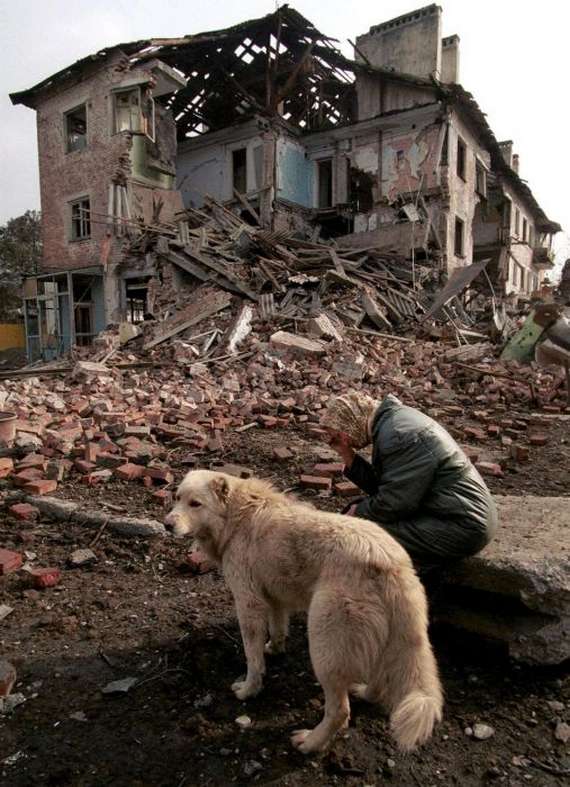
Woman and her Dog outside her bombed house, Grozny, Chechnya 1995. Photograph by Yuri Gripas

Woman and her Dog outside her bombed house, Grozny, Chechnya 1995. Photograph by Yuri Gripas

In 1995 Grozny, Chechnya, with her dog next to her a woman despairs at the bombing of her home whilst an evacuee in a truck says goodbye to his dog.

Russian man, Grozny, Chechnya says goodbye to his dog, 1995. Chechen forces. (AP Photo)

Russian man, Grozny, Chechnya says goodbye to his dog, 1995. Chechen forces. (AP Photo)

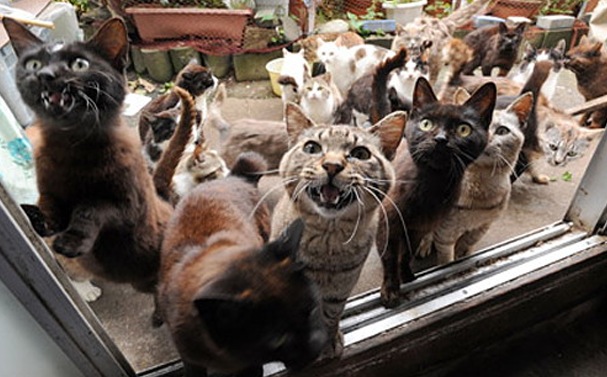
Cat Survivors of the 2011 Tsunami, Tashirojima (Cat Island), Japan

Cat Survivors of the 2011 Tsunami, Tashirojima (Cat Island), Japan

Around the world concern was raised for the feline occupants of Tashirojima or ‘Cat Island’, Japan during the 2011 Tsunami.  But many of the cats survived, cared for by people of the small community of 100 islanders, still outnumbered by their feline friends.  In 2013 a dog survived 3 days buried under rubble following an earthquake in Lalu Village in Hetuo Township Dingxi, China and was eventually recovered by villagers and rescue teams.

Dog rescued after 3 days buried under rubble after earthquake Lalu Village in Hetuo Township, Dingxi, China 2013

Dog rescued after 3 days buried under rubble after earthquake, Dingxi, China 2013

The dog in the drawing is my own dog, Lily.  She lies on the memory of a chair representing owners who took furniture and personal belongings instead of their pet leaving the family dog to fend for itself amongst the wreckage of war and disaster.

DNA of Northern Inuits and other Malamute breeds is closer to Gray Wolf DNA than many other dog breeds.  Dogs who give many of us unequivocal companionship were domesticated from wolves thousands of years ago.

In light of this all profits from each print sold will be donated to ‘The Wolves and Humans Foundation’.

The Wolves and Humans Foundation is a UK based charity dedicated to the conservation of Europe’s large carnivores wolves, bears and lynx. Wolves and Humans work with people and local communities to find practical solutions to co-existence with wolves and other large carnivores, thereby helping long-term conservation of these species. For further information please visit http://www.wolvesandhumans.org/index.htm

'Lily', 2009, original black Biro drawing by Jane Lee McCracken

‘Lily’, 2012/2014 Archival Limited and Open Edition Pigment Print Series’, Jane Lee McCracken

Archival Pigment Prints are available in two sizes –

NEW A4 Print – signed and numbered luxurious Archival Pigment Prints on Hahnemühle Photo Rag 308gsm of ‘Lily’ are especially crafted to order by one of the best printmaker’s in the UK Jack Lowe Studio and are available to purchase for £35 inclusive P&P from my website shop

A3 Limited Edition of 200 – signed and numbered luxurious Archival Pigment Prints on Hahnemühle Photo Rag 308gsm of ‘Lily’ crafted by one of the best printmaker’s in the UK Jack Lowe Studio and are available to purchase for £55 inclusive P&P from my website shop

To War…

'TV Screen III - "East Meets West, Forests Memories"', colour Biro drawing, 2010 by Jane Lee McCracken

‘TV Screen III – “East Meets West, Forests’ Memories”‘, colour Biro drawing, 2010 by Jane Lee McCracken

With nights drawing darker and the days colder and thoughts of when will it snow again ever present, reflections of winter and watching war films as a wee girl with my father, having just returned from a foreign land on business, are rekindled.  Whether it was the colours of epic explosions or the excitement of machine gun fire, war was a romantic notion and my father’s passion for war films passed to the next generation.

My beloved Grandmother on her wedding day to my Grandfather, 1st April 1939

My beloved Grandmother on her wedding day to my wonderful Grandfather, April 1939, Elie

My grandmother often talked about ‘The War’ unsurprisingly as WWII ended only 23 years before I was born and memories of rationing were still in their mere infancy at 14 years.  She mostly talked about how my Grandfather who died when I was four, was ‘never the same after The War’ – he was ground crew on Lancaster Bombers in Lincolnshire, badly injured when hit by the wing of a Lysander aircraft and I guess waited in vain for friends to return from bombing missions – how could he be the same, was anyone?

N.B. 10th December 2013 – “Two Years after retiring, my Dad died of kidney cancer.  He spent his last few moments, my mum at his side counting in the lancs from some hellish raid or other; F Fox, V Victor, B Baker and so on. I guess it troubled him whether a lanc was lost with all its crew…”  Extract about my Grandfather from my uncle’s newly published wonderful book ‘Wrapped in Rugby’, Douglas S. Bruce http://www.amazon.co.uk/Wrapped-Rugby-Douglas-Scott-Bruce/dp/1492154326

'Where Eagles Dare' quilt square detail from 'The Woodcutter's Quilt' made by Jane Lee McCracken for 'The Woodcutter's Cottage' Exhibition 2012 http://www.janeleemccracken.co.uk/photo_10019238.html

‘Where Eagles Dare’ quilt square detail from ‘The Woodcutter’s Quilt’ made by Jane Lee McCracken for ‘The Woodcutter’s Cottage’ Exhibition 2012 http://www.janeleemccracken.co.uk/photo_10019238.html

'The Woodcutter's Cottage' Exhibition at the Mercer Art Gallery, 2013. Installation includes 'The Woodcutter's Quilt', 'Woodcutter's Giant Pillow', 'British Moth Throw', my Grandmother's Scottish Queen size bed and dressing table circa 1950, British Moth prints entomology case in drawer of dressing table and 'Red Riding Hood's Cloak' suspended.

‘The Woodcutter’s Cottage’ Exhibition at the Mercer Art Gallery, 2013. Installation includes ‘The Woodcutter’s Quilt’, ‘Woodcutter’s Giant Pillow’, ‘British Moth Throw’, my Grandmother’s Scottish Queen size bed and dressing table circa 1950, British Moth prints entomology case in drawer of dressing table and ‘Red Riding Hood’s Cloak’ suspended.

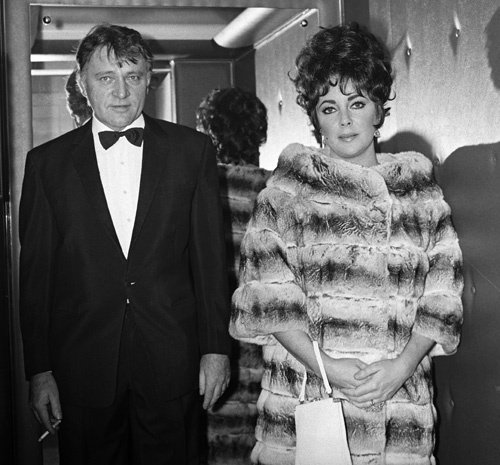
To this day ‘Where Eagles Dare’, MGM, 1968 remains one of my favourite films.  The wind howling round the Bavarian Alps, the beautiful glare and hardship of the inexorably falling snow, hues of blue from azure to midnight, brilliant orange explosions, brilliant Richard Burton; cool Clint Eastwood a ‘second rate punk’, the fairy tale ‘Schloss Adler’ with its warren of hallways and monumental fireplace, a secret aspiration to be Mary Ure’s MI6 agent ‘Mary Ellison’ and that cable car!  From beginning to end with its dramatic score and the faint rat-a-tat drum beat crescendo in the opening seconds it is still one of the most exciting and gripping films I have seen.  (My family recently discovered a forgotten memory that my father had once shared a lift in the Inter-Continental Hotel, Budapest, with Richard Burton and Elizabeth Taylor in the 1970s not long after ‘Where Eagles Dare’ was made – in our excitement that such movie royalty had briefly entered life’s theatre we foolishly asked “was she really beautiful?” and in his concise, ‘Meldrew-esque’ way he replied “yes” and swiftly moved on to mention how charming they both were while sharing a lift conversation with him – through his simple affirmation we knew she was truly beautiful!)
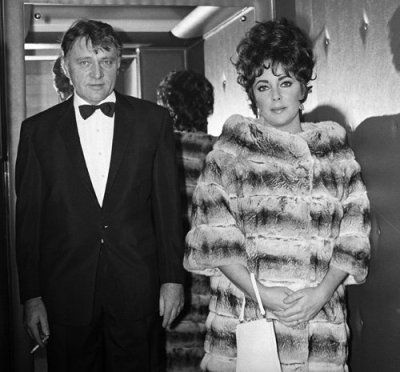
Richard Burton and Elizabeth Taylor during the filming of 'Where Eagles Dare', 1968

Richard Burton and Elizabeth Taylor during the filming of ‘Where Eagles Dare’, 1968

As I grew older the romantic excitement of war increasingly paled and was replaced by horror after spending many years viewing the reality of war through documentaries.  What most prevails is the individual suffering of so many caught up in the decisions and actions of so few.  Over 60 million dead during WWII, the holocaust, the painful displacement of people and their loss of everything they once knew, the horror that their eyes transmitted, not to mention the incalculable loss of wildlife, livestock and pets, in many of our present cosy bubbles how can we truly understand what war and such loss is like?  We can’t.
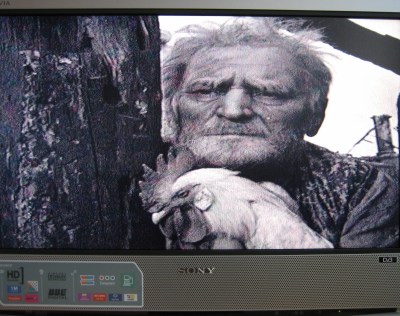
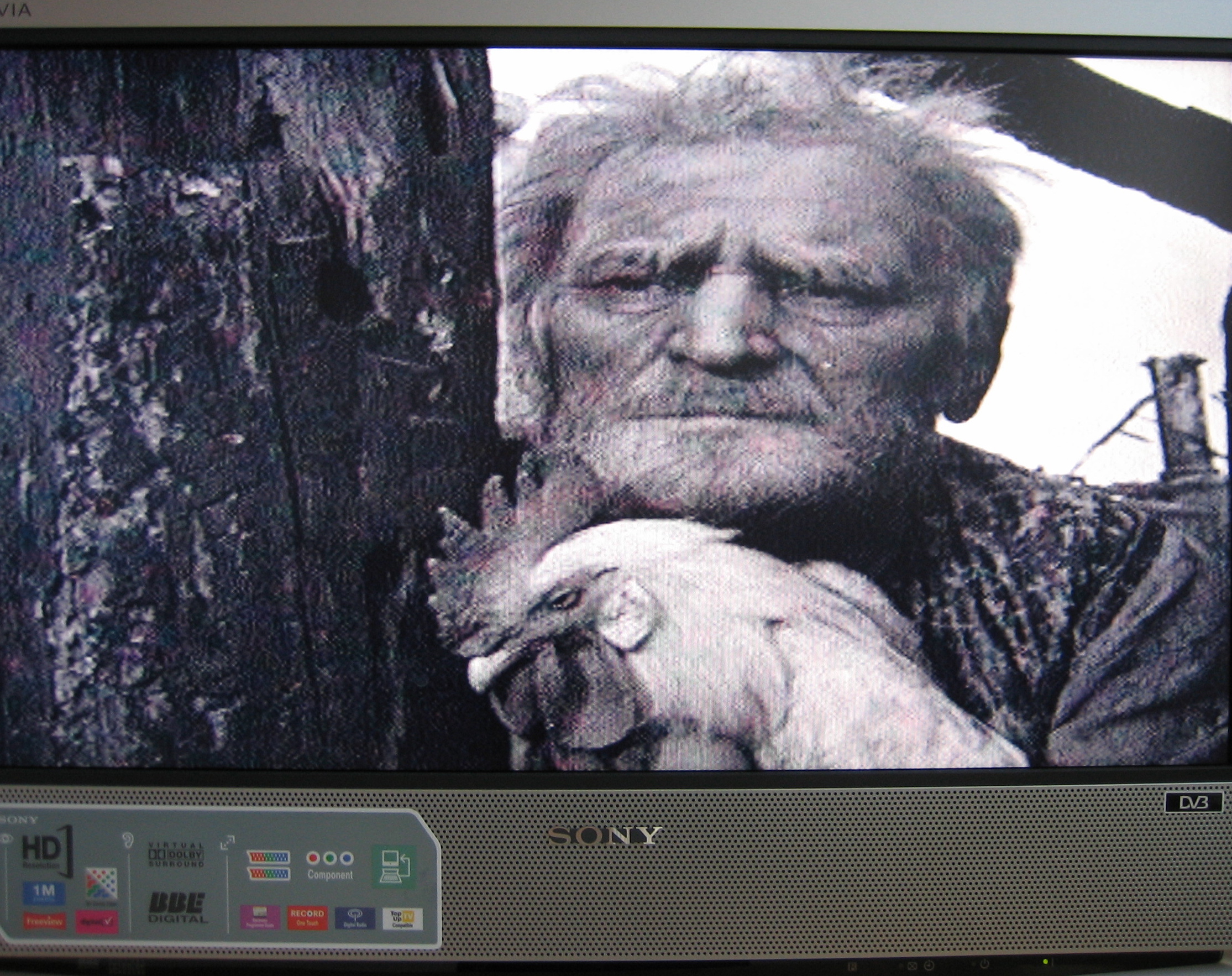
'Russian Man, "Ivan's Childhood", Andrei Tarkovsky, 1957', detail of quilt square from 'The Woodcutter's Quilt', 2012

‘Russian Man, “Ivan’s Childhood”, Andrei Tarkovsky, 1957’, detail of quilt square from ‘The Woodcutter’s Quilt’, 2012

'The Sideboard II' red Biro drawing, 2008 by Jane Lee McCracken, inspired by the girl in the red coat, 'Schindler's List', 1993, Steven Spielberg http://www.janeleemccracken.co.uk/photo_4657718.html

‘The Sideboard II’ red Biro drawing, 2008 by Jane Lee McCracken, inspired by the girl in the red coat, ‘Schindler’s List’, 1993, Steven Spielberg http://www.janeleemccracken.co.uk/photo_4657718.html

'Sindy and the Troika', black Biro drawing , 2008, by Jane Lee McCracken symbolises possessions left behind when people flee their homes during war or disaster.

‘Sindy and the Troika’, black Biro drawing , 2008, by Jane Lee McCracken symbolises possessions left behind when people flee their homes during war or disaster.

I began to try representing individual suffering through my work and create memorials to lives lived and ways of life lost, both human and animal not just through war but disasters, environmental destruction, to empathise with reality and not the Siberia of statistics.   Some years ago I had watched an English soldier relating a particular experience in a WWII documentary.  Towards the end of the war, in battle he had shot a German soldier dead on a road.  When he went over to check the body, he saw it was just a young boy and placed in the buttonhole of the boy’s uniform was Edelweiss still blooming.  Edelweiss does not last more than a couple of hours when picked fresh off the mountains so he knew that the boy had come down from his mountain home that morning to war.  Tears of futility fell down the old man’s cheeks.

'TV Screen III - "East Meets West, Forests Memories"', detail, colour Biros, 2010

‘TV Screen III – “East Meets West, Forests Memories”‘, detail, colour Biros, 2010

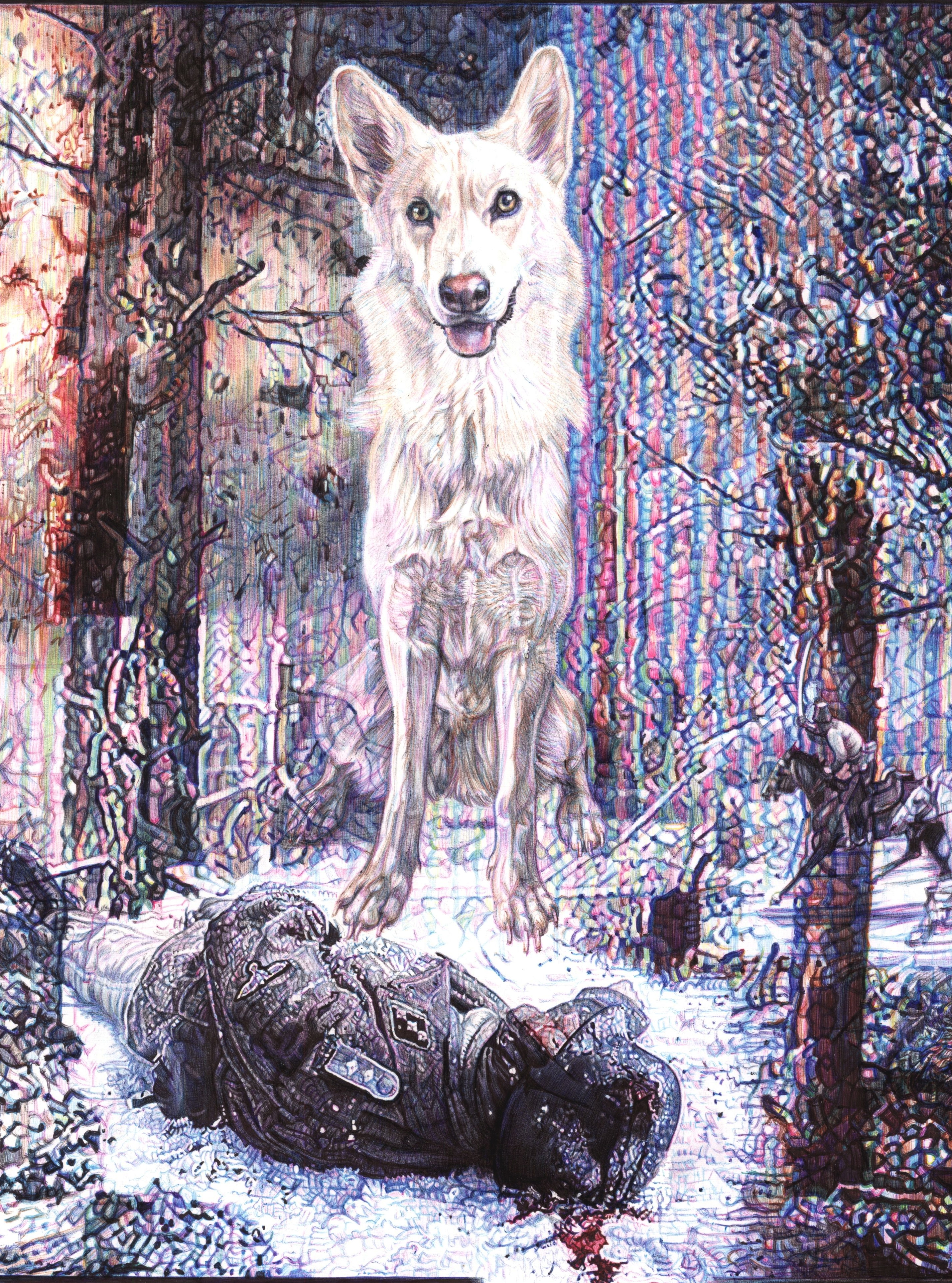
This memory was the catalyst for creating ‘TV screen III – East Meets West, Forests’ Memories’, that and a passion for forests.  Drawn in colour Biro, this piece took five months to produce and was inspired from stills of films such as ‘Band of Brothers’, 2001, HBO,  ‘The Red and the White’, 1967, Miklós Jancsó, ‘Come and See’, 1985, Elem Klimov and of course Lily in a starring role as the white wolf or the faithful dog.  This drawing was made to symbolise and consider that both good and bad people exist within all sides of a conflict and to imagine the conflicts as well as the facets of ‘life’ witnessed by mighty forests across Europe.  It ultimately represents how nature fights back and survives no matter what human destruction is plied on it and in the end how futile war is and how little we learn from our mistakes.  Viva nature!

For more information on this piece and its symbolism please visit my website via this link:

http://www.janeleemccracken.co.uk/photo_5698743.html

Luxury Archival Pigment Prints of this piece crafted by prestigious photographer and print-maker http://mrjacklowe.com/ are available to buy from my website via this link:

http://www.janeleemccracken.co.uk/photo_7578872.html